
I didn’t mind Conflict Zones, but I found they quickly became a bit of a drag after the third or fourth one. I would usually avoid them and only engage with them when I needed to unlock the engineers Juri Ishmaak And Bris Dekker. There was only one ship I found effective enough to bother with them at all and that was Tom Sawyer, the Rushfleet’s Krait Mk II. That was until last spring when the first of the SCO specialist ships was unleashed on an unsuspecting Elite Dangerous player base.
This is the RushFleet’s Python Mk II.

Her name…is Battlescar.
While the Krait Mk II “only” has three large hardpoints and two medium, Battlescar, here, has four large hardpoints in addition to the two medium. It might not be quite as tough as the Krait which can pack a decent amount of hull and module reinforcements, making it an excellent AX ship of course, but it makes up for that with a whopping six utility slots into which one can adorn the Python Mk II with an impressive array of shield boosters and defence devices. There is still room enough for both a decent hull and module reinforcement package, however, just in case every enemy in the conflict zone decides that you are the only target worth pursuing. Even so, its still going to take them all a while to get its fully engineered shields and boosters down, enough for an astute pilot to mop the whole lot up by themselves.
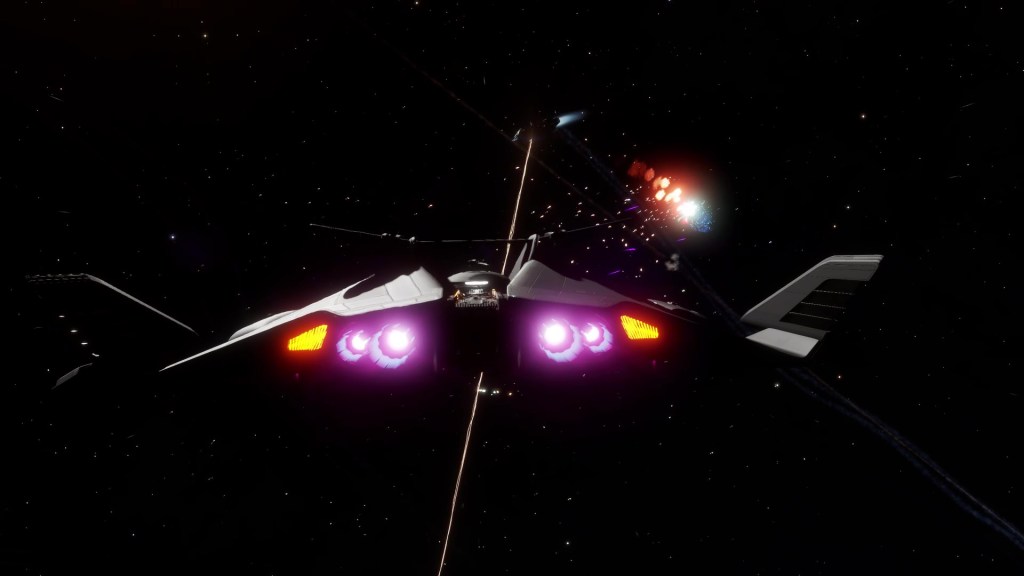
I found the Battlescar, her manoeuvrability easily complarable to the Fer-De-Lance, ducked and weaved about in a CZ with ease and grace, with the hardpoints making very short work of the smaller ships and her dexterity helping her to keep out of the line of fire of the larger ones.
CZs are now an absolute breeze. I was easily able to clear four to five every hour (admittedly these were low intensity ones) and that was with travelling back to the Garden to re-arm and repair every other battle.
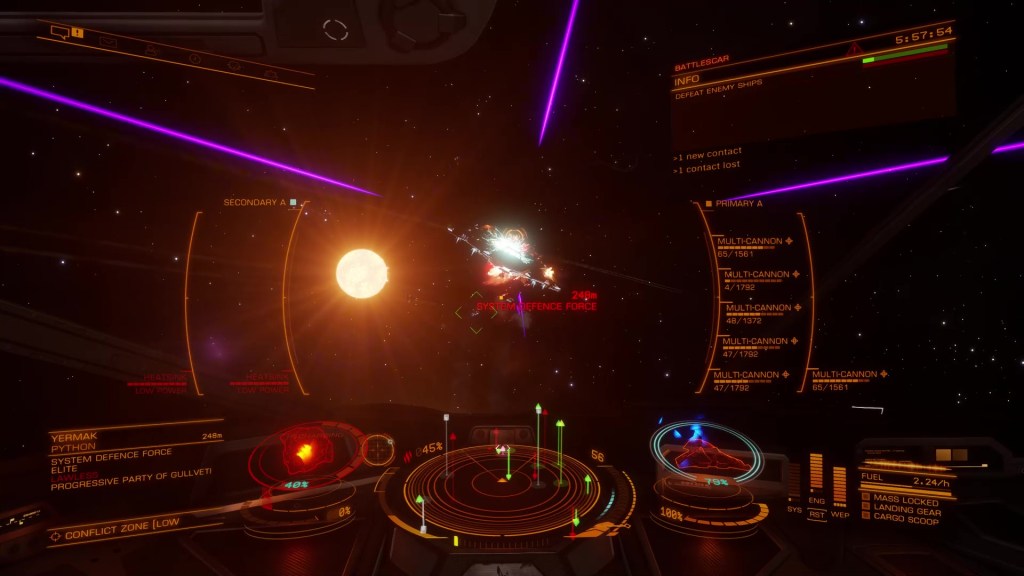
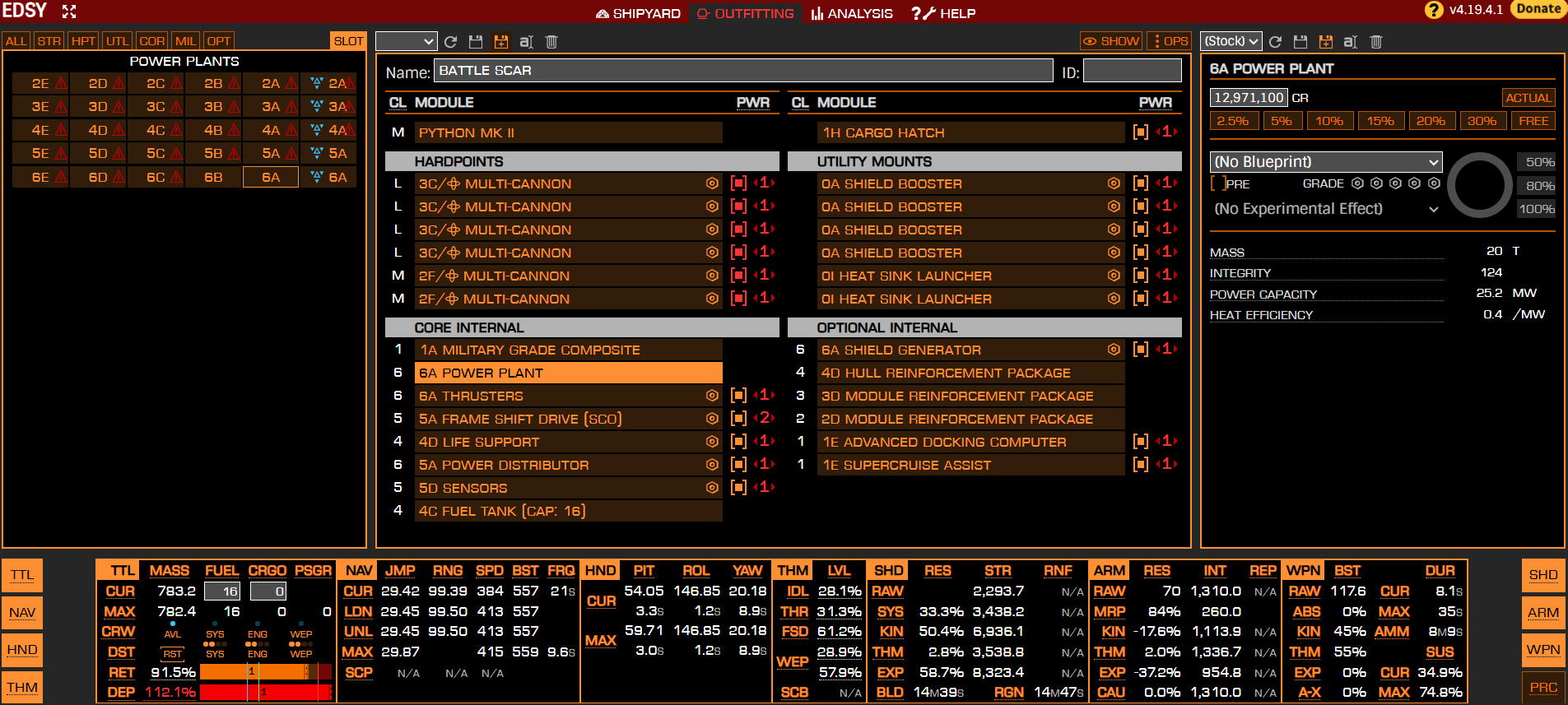
As usual, I use an all multi-canon build, all overcharged, with multi-weave shields and four heavy duty shield boosters. Two of the large multis have the incendiary experimental as do both the medium. The other large multis have corrosive and oversized respectively. Dirty drag drives make her a lot more nimble than she really ought to be and a weapon focused distributor can keep the multi’s firing almost indefinitely. The only drawback with this is, because of the four incendiaries, even though they shred shields remarkably quickly, they also heat up the ship. I have mitigated this somewhat with the two heatsink launchers and by not engineering the power plant but I still have to be mindful of the temperature. Also, by having a non-engineered power plant I have to set the FSD to a lower priority meaning it shuts off whenever I deploy the hardpoints. It means I also have to wait a short while after retracting them before I can jump into supercruise. It’s a small sacrifice to pay for having all those heavily engineered shield boosters!
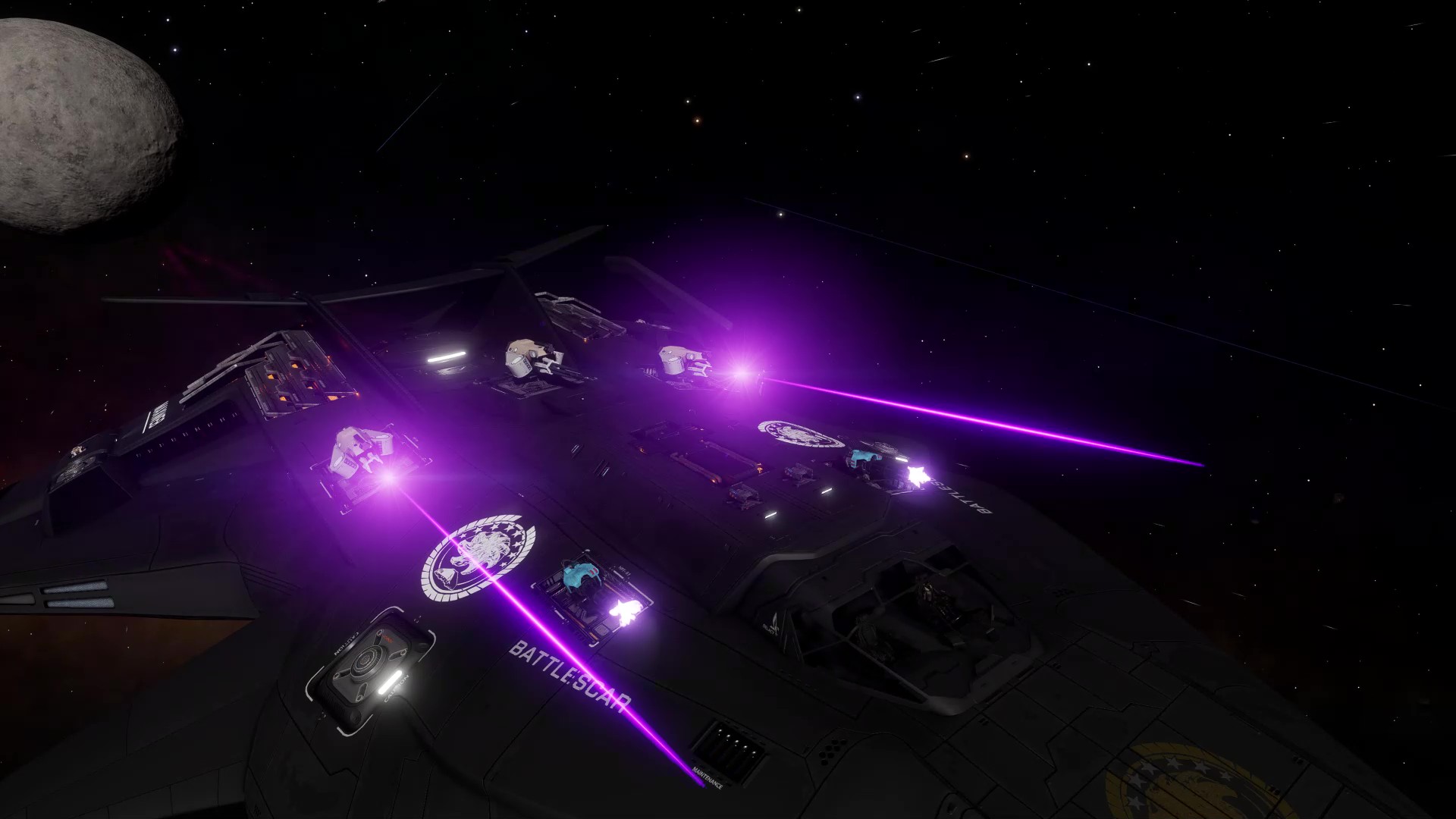
Battle Scar
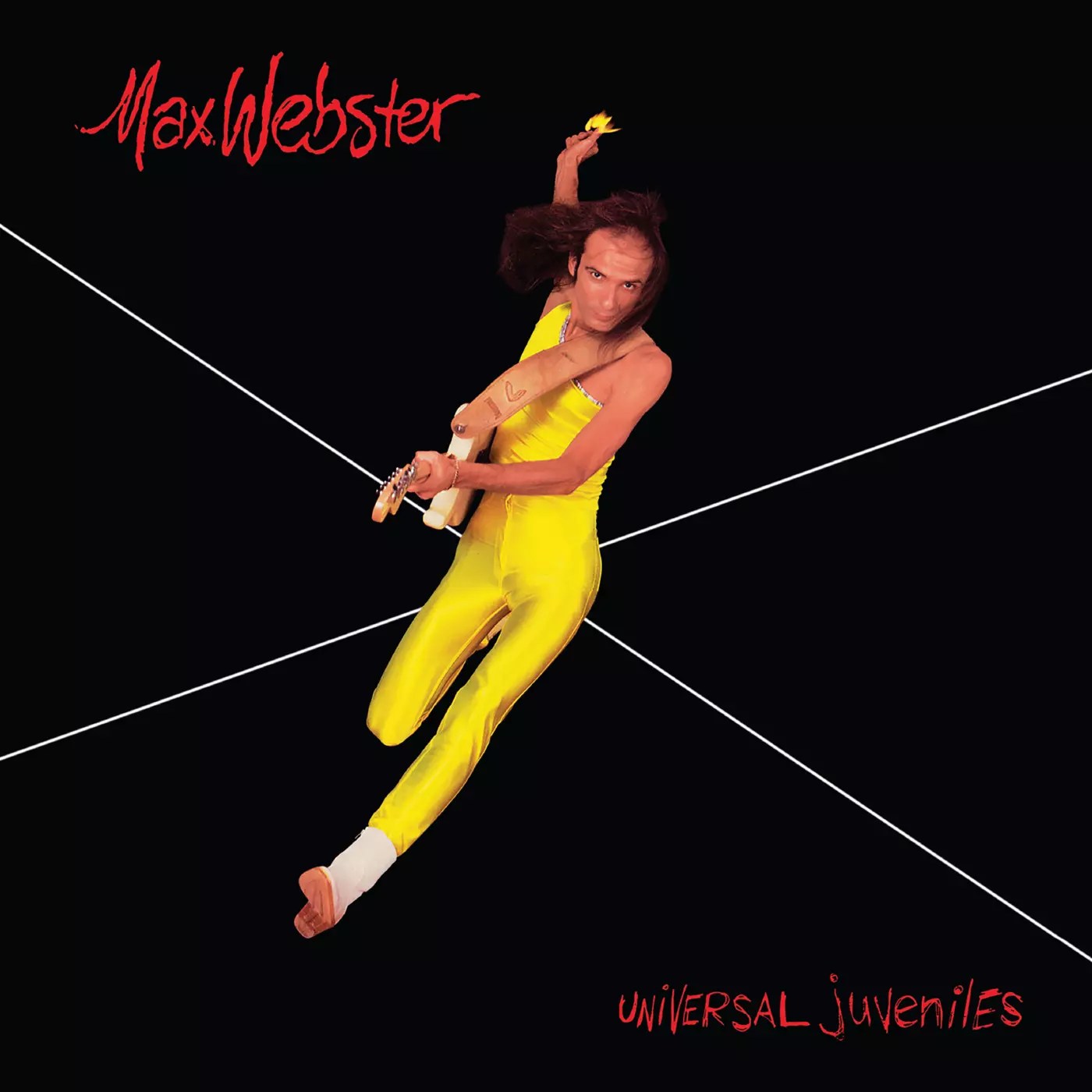
Canadian band Max Webster began in the early seventies playing a sort of dynamic amalgamation of prog, blues and classic rock. They toured heavily, mainly as a support act but they toured with Rush more than any other band, playing over 200 shows with them.

They released five studio albums between 1976 and 1981 featuring a mixture of band members although the guitarist/vocalist and main music writer Kim Mitchell was a mainstay throughout. Their main lyricist was Canadian poet Pye Dubois (who is also credited for the lyrics to three Rush songs) who, while he never played any instruments or sang for the band, would nevertheless accompany the band in the recording studio. Their fifth and final album, Universal Juveniles (pictured above with Kim Mitchell on the cover) had, as the fifth track, a song called Battle Scar,
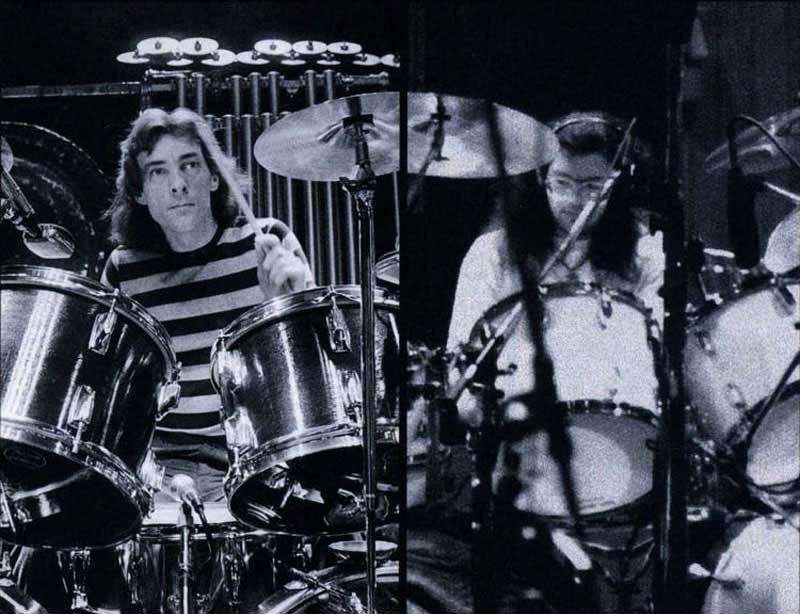
The remarkable thing about Battle Scar is that it was recorded with all the members of both Max Webster and Rush. Give it a good listen, it’s a remarkable piece of music! All of the musicians from both bands can clearly be heard. Geddy even manages to return to his old signature high decibel screech from Rush’s earlier albums. Members from both bands became great friends and had a lot of respect for each other. Rush always promised, when they heard the song Battle Scar played live they would like to record it with Max Webster. And that’s exactly what they did. All the members of both bands, live, in the studio at once.
(Left: Kim Mitchell and Geddy Lee)

 Elite Dangerous RUSH FLEET